Prefabricated homes are gaining popularity for their quick build times and cost savings. Yet, there are downsides to consider before deciding. It’s important to understand these issues to make an informed choice.
One major drawback is the cost of moving and assembling prefab sections. The expense of transporting these large parts to the site can be high. Also, any mistakes in the planning stage can be costly to fix later.
While prefab homes might be cheaper to build, there are hidden costs. These include the cost of connecting utilities and preparing the site. Plus, you’ll need to buy the land separately, adding to the overall cost.
Despite improvements, prefab homes are sometimes seen as less durable than traditional houses. They must be moved by road, limiting their size and design. This can affect their look and functionality.
Quality issues can also arise from the materials and manufacturing process. It’s wise to do your research and seek advice from experts like Build With Rise before choosing a prefab home.
Key Takeaways
- Transportation and assembly costs can be prohibitive for prefab homes.
- Hidden costs related to utility hookups and site preparation need to be considered.
- Buyers must purchase land separately, which adds to overall costs.
- There is a stigma about the durability and rigidity of prefab homes.
- Strict regulations on size and design due to transportation constraints.
Limited Customisation Options
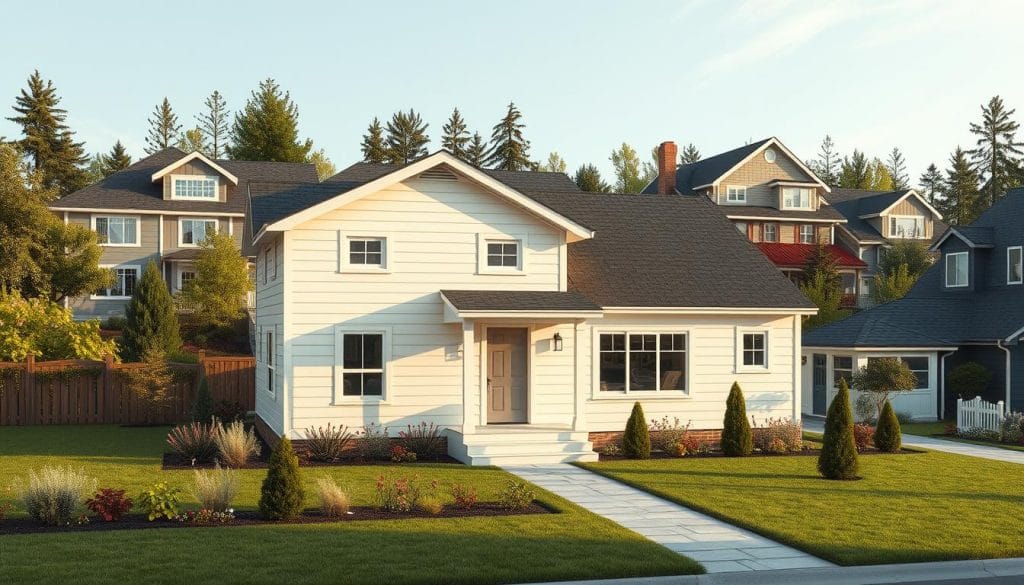
Prefab dwellings have a big drawback: they don’t offer much room for customisation. Buyers often find that these homes come with a fixed set of designs and layouts. This makes building faster and cheaper but limits personal touches.
Standardised Designs
Standardised designs are both good and bad. They make building quicker and use less material. But, they also limit how much you can make a house your own. This is a big problem for those who want unique homes.
Reduced Design Flexibility
Design flexibility is also limited. Changes during building are hard to make. This makes homes precise and affordable but less flexible. It’s a trade-off for some buyers.
Despite its benefits, prefab homes have clear downsides. They’re fast and cheap but hard to customise. For more on prefab homes, check this guide. Think carefully about these points if you’re looking for a unique home.
Potential for Quality Issues
Prefabricated houses have many benefits but can also face quality problems. These issues often stem from the materials used and possible defects during production.

Materials Used
The quality of materials in prefabs is a major concern. They are often made from materials like steel and PVC. These are strong but can cause problems in tall homes.
These materials might not protect well against wind and rain. This can lead to noise during bad weather.
This article offers more details on prefab homes. It helps those thinking of buying one understand the pros and cons.
Manufacturing Defects
Manufacturing defects are another big problem in prefab construction. Even with careful factory work, defects can happen if quality checks are not strict enough. This can weaken the structure of the home.
Transporting prefab modules to the site can also cause damage. It’s important to pick a reliable manufacturer with good quality control.
Knowing the good and bad of prefabs helps buyers make better choices.
Zoning and Planning Challenges
Thinking about prefab living? It’s key to know the zoning and planning hurdles. Prefab homes face local laws and rules, which change by area. These rules might not fit prefab homes, causing issues or long waits.
Getting building permits for prefab homes can slow down projects and add costs. It’s vital to grasp these challenges well in advance.
Local Regulations
One big challenge with prefab homes is local rules. Each area has its own rules on land use, building materials, and types of structures. These rules can be tough for prefab homes, which are different from usual builds.
It’s important to understand these rules:
- Design and architecture limits.
- Site-specific rules that affect building.
- Special needs for utility connections and environmental checks.

Approval Delays
Another issue with prefab homes is getting approvals. The approval process for prefab homes takes time. This is because prefab homes need extra checks.
Local authorities might not know much about prefab homes. This can lead to more checks and longer waits for permits. This problem is made worse by:
- Longer review times because of prefab unfamiliarity.
- Local community resistance to prefab homes.
- More meetings and changes to meet code needs.
Talking to experts and working with local authorities early can help. This way, future prefab homeowners can prepare for and deal with zoning and planning issues.
Resale Value Concerns
When we talk about prefabricated homes, one big worry is their resale value. These homes often face a bias in the market, making them less appealing for the long run.
Market Perception
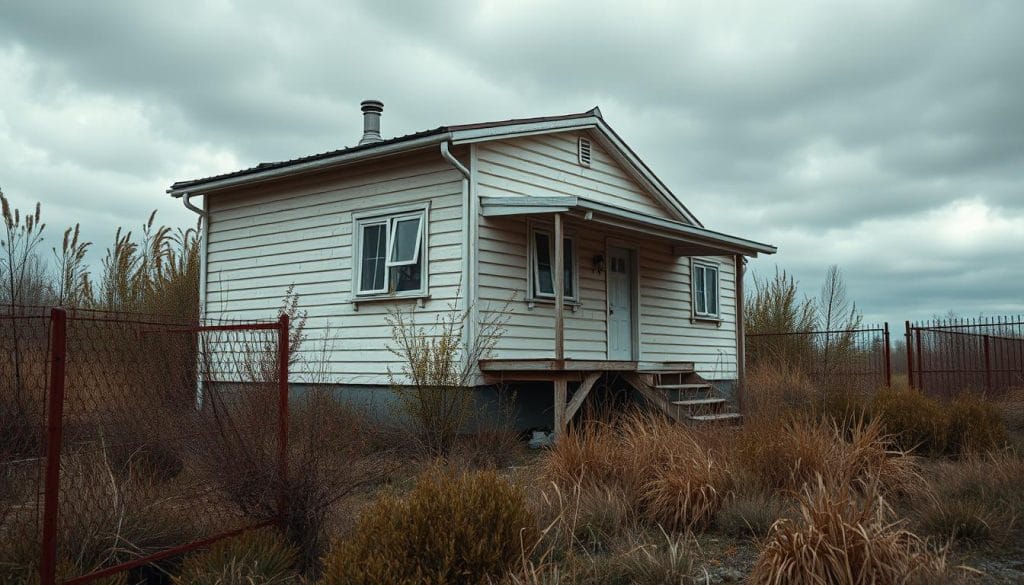
Prefab homes have long been seen as less valuable than traditional houses. This negative view can lower their market appeal and affect their resale. Even with better materials and building methods, old biases can stick.
- Prefab homes are seen as 20-40% less valuable than traditional houses.
- Building them off-site can save money, but this advantage is often ignored.
- Local laws and rules can also impact how much prefab homes are worth.
Comparisons with Traditional Homes
Looking at prefab homes versus traditional ones shows why prefab homes might be harder to sell. Traditional homes are often seen as safer investments.
Prefab homes are as durable as traditional ones, but buyers often prefer the latter. They see traditional homes as more quality and lasting longer.
Prefab houses can last 60-90 years, but traditional ones might last up to 100 years. This makes traditional homes more valuable over time.
Prefab homes can also increase in value, but their long-term worth depends on the local market. People worry about their shorter lifespan and higher maintenance costs.
- Where a home is built can affect its value.
- Traditional homes tend to appreciate more, making them better investments.
- Building prefab homes is faster, but this speed is often overlooked when selling.
To make prefab homes more accepted, we need to show their benefits. We must change how people see modern prefabricated architecture.
Location Limitations
Prefab and modular homes have many benefits, like cutting construction time by up to 50%. But, there are downsides, mainly with location. Moving big modules to the site can be tough. Places with narrow roads and low bridges make it hard to get them there.
Site Restrictions
Urban and suburban areas often have strict rules for building homes. These rules can include height limits and what kind of buildings are allowed. Some places also have rules about how buildings look, which can limit where you can build.
Accessibility Issues
Getting prefab homes to remote or busy places is a big challenge. It’s expensive and complicated to move big modules. You need special permits and to work with many groups to get it done right.
In short, prefab homes are quick and can save money. But, getting them to the right place can be hard. It needs careful planning and teamwork to make it work.
Community Acceptance
Adding prefab homes to neighbourhoods can be tough. This is mainly because of the negative views on prefab properties and resistance from the community. Even though they are affordable and good for the environment, people often have doubts.

Neighbourhood Perceptions
Local people often have a hard time accepting prefab homes. They might see them as not fitting in with the area’s style. This can lead to worries about property values and how they look.
In Germany, for example, about 15.6% of new homes in 2013 were prefabricated. But opinions on them varied a lot.
Integration with Local Architecture
Getting prefab homes to fit in with the area’s buildings needs careful planning. They are usually made of wood, which is different from the brick homes many are used to. This can make people even more hesitant.
Homeowners also have to follow rules and guidelines about how their homes should look. This can make things harder.
To make things better, we need to understand what the community is thinking. We should also work on making prefab homes look like they belong. This way, we can reduce resistance and help everyone get along better.
Environmental Considerations
Looking at the environmental impact of prefab homes means focusing on materials and energy use. It’s important to understand the materials and how they’re built. Using non-sustainable materials can reduce the eco-friendly benefits of these homes.
Sustainability of Materials
The choice of materials is key for prefab homes’ sustainability. Homes made with eco-friendly materials help meet sustainability goals. For example, Tata Steel Nest-In’s homes use up to 48% less water over their life.
Also, making materials precisely for prefab homes cuts waste by about 52%. This shows a greener way than traditional building. But, not all prefab homes are this green. Some use less sustainable materials to save money or make them last longer. This can increase the carbon footprint.
So, it’s important for buyers to check the materials used in their homes. This ensures they get a truly eco-friendly choice.
Energy Efficiency Challenges
Energy efficiency is another big issue for prefab homes. Modern building methods make prefab homes use up to 72% less energy than traditional ones. Portable homes also have tighter seals, which saves energy and cuts down on carbon emissions.
But, making prefab homes energy-efficient can be hard. If the modules aren’t well sealed or insulated, energy use can go up. This can undo the initial energy savings. So, it’s essential to build and insulate prefab homes to a high standard. This way, prefab homes can help make our future more sustainable and energy-efficient.